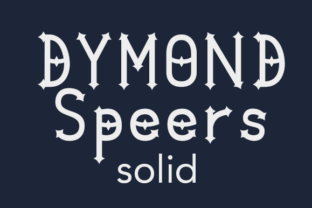
Dymond Speers Solid
If you’ve spent any time renovating a kitchen, designing a commercial lobby, or sourcing materials for a custom furniture project, you’ve likely run into a wall of options—granite, quartz, marble, laminate, and a handful of engineered surfaces. Among them, Dymond Speers Solid stands out as a versatile, durable choice that blends aesthetic freedom with practical resilience. Unlike natural stone or standard acrylic surfaces, this material offers a unique balance of workability and structural integrity that makes it suitable for projects ranging from residential countertops to high-traffic public installations.
In this article, we’ll take an honest, experience-driven look at what Dymond Speers Solid really is, how it performs in real-world conditions, and who benefits most from choosing it. Whether you’re a homeowner planning a remodel, a fabricator evaluating new materials, or a business owner outfitting a commercial space, you’ll find the clarity you need to make an informed decision.
What Is Dymond Speers Solid?
At its core, Dymond Speers Solid is a premium solid surface material engineered for seamless fabrication and long-term durability. Unlike laminate or tile, it is non-porous, homogeneous throughout its thickness, and repairable. It belongs to the same family as other solid surface products, but with distinct formulation characteristics that set it apart in terms of flexibility, color consistency, and resistance to everyday wear.
The material is composed of acrylic resins and natural mineral fillers, which are cured under heat and pressure to create a solid slab. Because the color and pattern run through the entire thickness—not just a top layer—scratches, stains, or minor damage can be sanded out without leaving a visible mark. This makes Dymond Speers Solid a favorite among designers who need a material that can be renewed over time, especially in settings where surfaces see heavy use.
One of the most defining traits is its heat-moldable nature. With the right equipment, Dymond Speers Solid can be thermoformed into curved shapes, integrated sinks, and seamless backsplashes. This capability opens up design possibilities that natural stone or quartz cannot easily achieve.
Key Characteristics at a Glance
- Non-porous surface: Resists bacteria, mold, and staining—ideal for hygienic environments like healthcare and food preparation.
- Homogeneous composition: Color and pattern are consistent from top to bottom, enabling invisible repairs.
- Thermoformability: Can be bent and shaped with heat for custom contours and integrated features.
- Low maintenance: Requires only mild soap and water for daily cleaning; no sealing ever needed.
- Stain and impact resistance: Handles most household spills and moderate impacts gracefully, though not impervious to heavy abuse.
Real-World Applications and Who Benefits
Dymond Speers Solid finds its place in a wide range of environments because it adapts to both aesthetic demands and functional requirements. Let’s break down some typical scenarios and the types of users who get the most out of it.
Residential Kitchens and Bathrooms
Homeowners often choose Dymond Speers Solid for countertops, vanity tops, and tub surrounds. The seamless look—especially when sinks are integrated into the same material—creates a clean, modern line that’s easy to wipe down. Families with children appreciate that the surface won’t harbor bacteria around food prep areas, and that minor scratches from dropped utensils can be buffed out with a fine abrasive pad. For those who like hosting dinner parties, the stain resistance means red wine or coffee spills won’t become permanent eye-sores if wiped up within a reasonable time.
Commercial and Hospitality Spaces
Hotels, restaurants, and retail stores often require durability paired with design flexibility. Dymond Speers Solid can be used for reception desks, bar tops, display shelving, and even wall cladding. Its ability to be thermoformed into sweeping curves lends itself to eye-catching front-of-house features. For a busy coffee shop, a seamless counter with an integrated drainboard made from the same material simplifies cleaning schedules and reduces joint lines where grime can accumulate.
Healthcare and Laboratory Settings
Because Dymond Speers Solid is non-porous and can be fabricated with coved backsplashes and seamless joints, it meets stringent hygiene requirements in medical and lab environments. It does not support microbial growth and can withstand regular disinfection with bleach-based cleaners without degrading. Lab benches, nurse stations, and cleanroom work surfaces benefit from its easy-to-sanitize nature. Additionally, the material is repairable, so accidental scratches from instruments or equipment can be restored without replacing the whole surface.
Custom Furniture and Specialty Projects
Furniture makers and artisans leverage the thermoforming capability to create tabletops with waterfall edges, integrated sink basins, or even sculptural pieces. Dymond Speers Solid works well for custom desks with built-in cable management channels because the material can be routed and shaped precisely. For retail displays, the ability to match corporate colors exactly (through custom fabrication) is a notable advantage over off-the-shelf materials.
Strengths and Practical Considerations
No material is perfect. An honest look at Dymond Speers Solid reveals several clear strengths along with a few limitations that may affect your choice depending on the project.
Strengths
- Seamless appearance: Joints can be chemically bonded and sanded to become virtually invisible, creating a monolithic look that natural stone with visible seams cannot achieve.
- Repairability: Surface damage can be repaired in place using standard solid surface repair techniques—sand, buff, and reseal. This extends the life of the surface significantly.
- Design flexibility: Thermoforming allows curves, integrated sinks, and built-up edges that are difficult to achieve with granite or quartz.
- Consistent pricing: Unlike natural stone, cost is relatively uniform across the product line, making budgeting more predictable.
- Stain and heat resistance: While not immune to thermal shock, the material handles hot pans up to moderate temperatures (typically 200°F/93°C) without damage if a trivet is used.
Considerations and Limitations
- Scratches over time: While repairable, glossy finishes may show fine scratches from regular use. Matte finishes mask them better. Many users see the ability to renew the surface as a pro, but it requires occasional maintenance.
- Heat sensitivity: Placing extremely hot cookware directly on the surface can cause discoloration or warping. Always use trivets or heat pads.
- Not as hard as stone: Dymond Speers Solid is softer than quartz or granite, so it is more prone to scratching from sharp objects. Cutting boards are strongly recommended for food prep areas.
- Professional fabrication required: While the material can be worked with standard woodworking tools, achieving seamless joints and thermoforming requires experience. DIY installation is not advised for large projects.
- UV stability: Some colors may fade if exposed to prolonged direct sunlight. Check with the manufacturer for UV-resistant grades if outdoor use is planned.
How to Evaluate Suitability for Your Project
Choosing Dymond Speers Solid comes down to balancing your priorities. Start by asking these questions:
- What is the primary use? For heavy culinary use, consider whether you can commit to using cutting boards and trivets. For vanity tops or low-traffic areas, durability demands are lower and the material shines.
- Do you want seamless integration? If the design calls for an integrated sink, curved edge, or zero-joint backsplash, Dymond Speers Solid is an excellent candidate. If you prefer the natural pattern variety of granite, you might look elsewhere.
- What is the maintenance investment? Are you willing to occasionally sand out scratches or restore the finish? If you want a “set it and forget it” surface, quartz might be more forgiving. But if you value the ability to refresh the surface over time, this material wins.
- What is the budget? Dymond Speers Solid sits in the mid-to-upper range of solid surface materials. It is typically less expensive than premium quartz or natural stone, but more than laminate or tile. Get fabricator quotes for your specific project scope.
- Are there environmental considerations? Many solid surface products can be recycled into new material, and the absence of sealants reduces chemical use over the lifespan. Check with the supplier for specific eco-credentials.
Real-World Scenario: A Kitchen Remodel
Let’s walk through a typical residential kitchen project. A couple decides to replace their old laminate countertops. They want a modern, seamless look with an integrated sink and a curved peninsula edge. They cook frequently but acknowledge they use cutting boards and trivets habitually. After comparing quartz (too many visible seams) and granite (costly and requires sealing), they choose Dymond Speers Solid. The fabricator thermoforms the edge and bonds the sink seamlessly. Two years in, the couple reports that a few hairline scratches appear near the sink area—the fabricator provides a quick sand and polish, and the surface looks new. They are satisfied with the trade-off between durability and repairability. The only lesson learned: they wish they had ordered a darker color to hide minor scratches better between maintenance cycles.
Conclusion
Dymond Speers Solid is a strong contender in the solid surface category, offering a pragmatic blend of beauty, resilience, and adaptability that fits a wide array of projects. It performs especially well where seamless design, hygiene, and long-term repairability matter most. While it requires a bit of care to avoid scratches and heat damage, the ability to restore the surface gives it a lifespan that can exceed many alternatives when properly maintained.
For professionals and homeowners alike, the material rewards thoughtful design and regular care. If you value a clean, continuous aesthetic and want a surface that can evolve with your space rather than be replaced when damaged, Dymond Speers Solid deserves a close look. Speak with a certified fabricator to see color samples and discuss thermoforming possibilities—your next project may be the perfect showcase for what this versatile material can do.