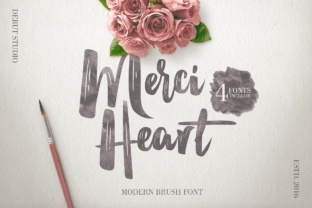
Merci Heart in Modern Design
Some design elements stop you mid-scroll. They carry an emotional weight that transcends the screen, paper, or package they appear on. Merci Heart is exactly that kind of asset—a refined visual motif that blends heartfelt symbolism with clean, modern aesthetics. For graphic designers, brand strategists, and creative professionals, understanding how to integrate such an element into a visual system can elevate everything from a simple social media post to a full-scale brand identity.
Why Merci Heart Matters for Visual Communication
At its core, effective graphic design is about clarity and connection. A well-crafted design element like Merci Heart offers both. Its form is immediately recognizable yet versatile enough to adapt across contexts. Whether you are working on logo design, packaging, or editorial layouts, the ability to introduce a symbol that carries universal meaning—gratitude, care, human warmth—without sacrificing professionalism is a powerful advantage.
In brand identity work, every visual choice communicates something. Typography, color palette, and imagery all speak to the audience. Adding a thoughtfully designed motif such as Merci Heart helps reinforce the emotional tone of a brand. It signals approachability without being overly sentimental, making it suitable for industries ranging from hospitality to healthcare, lifestyle to nonprofit communication.
Practical Applications Across Design Disciplines
One of the strongest arguments for including Merci Heart in your creative asset library is its adaptability. Here are several real-world applications where it can make a measurable difference:
- Branding and logo design: Use it as a standalone icon or as part of a wordmark to convey warmth and trust.
- Marketing materials: Brochures, flyers, and direct mail pieces benefit from a consistent visual anchor that draws the eye.
- Social media graphics: A recognizable motif improves brand recall in fast-scrolling feeds, especially when paired with cohesive typography.
- Website and UI design: Integrate Merci Heart into navigation icons, loading animations, or call-to-action buttons to humanize the digital experience.
- Editorial and print design: Magazine layouts and annual reports can use it as a subtle divider or accent that ties sections together.
- Packaging design: A premium unboxing experience often relies on small, memorable details—Merci Heart can serve as a seal, pattern, or foil stamp.
- Advertising campaigns: Whether digital or out-of-home, a consistent visual element reinforces campaign messaging across touchpoints.
- Presentations and proposals: Internal decks and client-facing materials gain polish when a consistent design language is applied throughout.
- Merchandise and promotional products: T-shirts, notebooks, and tote bags become brand ambassadors when they carry a distinctive, well-designed mark.
- Digital products: E-books, templates, and app interfaces benefit from a cohesive visual vocabulary that includes meaningful iconography.
Selecting and Using Design Elements Effectively
Not every beautiful asset belongs in every project. The key to successful design is intentionality. When evaluating whether Merci Heart fits your current work, consider these factors:
Consistency with Existing Brand Systems
A new element should complement—not compete with—your established visual hierarchy. Examine your existing typography, color palette, and compositional style. Does the motif align with the brand’s voice? If the brand leans minimalist, a simple outline version may work better than a detailed fill. If the brand is expressive, consider using it as a repeating pattern or gradient overlay.
Readability and Scalability
A great design element performs at every size. Test Merci Heart at small scales—such as app icons or social media avatars—and large scales like billboards or packaging hero graphics. Ensure the detail remains clear and the emotional impact translates regardless of dimensions. Vector-based assets are ideal for this reason.
Visual Hierarchy and Composition
Where you place the element matters as much as how it looks. Use it to guide the viewer’s eye toward key information: headlines, calls to action, or product imagery. Avoid overcrowding. In web and UI design, white space around a motif like Merci Heart can actually increase user engagement by reducing cognitive load.
Audience Expectations and Design Goals
Always return to the brief. A luxury skincare brand and a youth-focused nonprofit will use the same heart motif very differently. The former might opt for a thin, elegant line drawing paired with serif typography; the latter might choose a bold, colorful version with playful motion graphics. Let the audience and project goals dictate the treatment.
Typography, Color, and Composition Working Together
The most successful designs are rarely the work of a single element. Instead, they emerge from careful interplay between typography, color, imagery, and composition. When you introduce Merci Heart into a layout, consider how it interacts with your typeface choices. A rounded sans-serif can echo its friendly curves; a sharp modern serif can create intentional contrast. Similarly, your color palette should support the motif’s role—whether it becomes a focal point or a subtle background texture.
In UX design, for instance, using the heart motif as a hover state or a favorite button adds a layer of emotional feedback that enhances the user experience. It turns a functional interaction into a small moment of delight. That kind of thoughtful integration is what separates good design from great design.
Elevating Creative Projects with Purposeful Assets
Design trends come and go, but the principles of clarity, consistency, and emotional resonance remain constant. A well-chosen creative asset like Merci Heart is not a shortcut—it is a strategic tool. When used with intention, it strengthens brand identity, improves user engagement, and gives your work a polished, professional finish that audiences recognize and trust.
Whether you are building a visual system from scratch or refreshing an existing brand, every detail counts. The motifs you choose, the typography you pair them with, and the way you compose them all contribute to the story you are telling. By making thoughtful, informed design decisions—and by selecting assets that carry both meaning and versatility—you ensure that your work not only looks good but truly communicates.