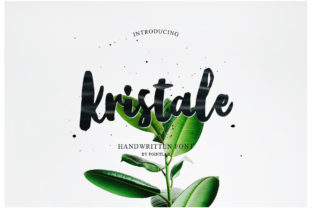
Kristale: A Creative Framework for Clarity
Every creative professional eventually hits the same wall: too many ideas, too little time, and a growing stack of half-finished projects. The problem isn't a lack of inspiration. It is the absence of a reliable structure to turn that inspiration into consistent, polished work. Kristale offers a different approach. It is not a rigid template or a one-size-fits-all formula. Instead, it is a flexible framework designed to help you organize, refine, and present your ideas without sacrificing the spark that makes them original.
Whether you are a designer juggling multiple client briefs, a small business owner planning content for the next quarter, or a freelancer looking to bring more cohesion to your portfolio, Kristale provides a practical way to keep your creative process clear and your output effective. The core principle is simple: build a repeatable system for your work that still leaves room for experimentation and surprise.
What Makes Kristale Interesting for Creatives
At its simplest level, Kristale is a method for structuring creative projects around a few key anchors. These anchors could be a central theme, a recurring visual motif, a tonal guideline, or a set of functional requirements. The idea is to define a small number of constraints at the start and then let every decision flow from them. This is counterintuitive for many people who believe creativity needs absolute freedom. In reality, constraints often produce stronger, more focused work.
For example, a graphic designer working on a brand identity might use Kristale to lock in three core colors, a typography hierarchy, and a single verbal tone before designing anything. Every logo variation, every social media graphic, every packaging mockup is then tested against those anchors. The result is a cohesive system, not a collection of visually unrelated pieces. The same logic applies to writing, video production, or even lesson planning if you are an educator building a course.
What makes Kristale especially useful for the 20–50 age range is its adaptability. It does not assume you have a big budget, a team, or years of experience. It works as well for a single freelancer as it does for a marketing department. The framework is lean enough to apply to a one-off post and robust enough to govern an entire product launch.
Creative Possibilities Across Different Roles
One of the strengths of Kristale is how differently people can interpret it depending on their medium and goals. Here are several ways different users can put it into practice:
- For bloggers and publishers: Use Kristale to define a consistent editorial voice and article structure. Instead of writing each post from scratch, you establish a rhythm for your intros, subheadings, and conclusions. This makes your content more predictable for readers and faster for you to produce. Your anchors might include a promise to the reader in the first paragraph, one surprising statistic per article, and a call to action that invites dialogue rather than a hard sell.
- For designers and visual creators: Set visual constraints before starting a new project. Decide on a limited palette, a typeface system, and a grid layout. Every element you add must justify its existence against these rules. This prevents scope creep and ensures that a logo, a website, and a brochure all feel like they come from the same source.
- For marketers and small business owners: Plan entire campaigns around a single central message. Before writing copy or designing ads, define the one core benefit you want your audience to remember. Then use Kristale to map every touchpoint—email, social post, landing page, video script—back to that benefit. You eliminate mixed messaging and build trust faster.
- For educators and course creators: Structure each module around a clear learning objective and a predictable format. Kristale can help you maintain a consistent pace across lessons, making it easier for students to follow along. You could anchor each module with a key question, a practical exercise, and a summary that links to the next lesson.
- For freelance creators and hobbyists: Use Kristale to build a personal style guide for your portfolio. Even if you work across different genres or services, a consistent visual and tonal framework makes your work look intentional and professional. It signals to potential clients that you understand the value of coherence.
Adapting Kristale for Different Platforms and Formats
A framework is only useful if it survives translation from one context to another. Kristale is designed to be platform-agnostic. You can apply the same anchors to a long-form article, a short video, a podcast episode, or a series of social media posts. The key is to identify which constraints travel well and which need to be adapted for the medium.
For a video project, your anchors might include a consistent intro sequence, a maximum length, and a specific lighting setup. For a written piece, they could be a reading level target, a preferred paragraph length, and a rule about using personal examples. The format changes, but the principle remains: limit your variables so you can execute faster and maintain quality.
When moving from one platform to another, pay attention to the context. A Kristale anchor that works for a newsletter may feel too rigid for a Twitter thread. That is fine. The framework asks you to choose your constraints intentionally, not to follow them blindly. For example, if your anchor for blog posts is a formal tone, you might relax that rule for an Instagram caption where a conversational voice performs better. The goal is consistency where it matters and flexibility where it is necessary.
Keeping Results Clear, Effective, and Original
A common fear with any framework is that it will make all your work look the same. Done poorly, Kristale can indeed lead to repetitive output. But done well, it becomes a tool for originality. The constraints act as a baseline. They handle the structural decisions so you can focus your energy on what makes each project unique: the idea itself.
To keep your results fresh while staying organized, follow these guidelines:
- Review your anchors regularly. What worked six months ago may no longer serve your audience or your goals. Treat your Kristale framework as a living document. Update it when you learn something new or when your creative direction shifts.
- Leave room for variation. Not every project needs to hit every anchor. Give yourself permission to break the rules occasionally. The framework is a guide, not a prison. The best work often comes from knowing which rules to bend.
- Document your decisions. Write down why you chose each constraint. This helps you stay consistent and makes it easier to explain your creative choices to clients, collaborators, or students. It also gives you a reference when you need to defend a design or editorial choice.
- Test your framework with a small project first. Before rolling out Kristale across a whole campaign or a year of content, try it on a single piece. Assess whether it saved you time, improved clarity, or helped you make decisions faster. Adjust based on what you learn.
Practical Inspiration: Examples You Can Use Tomorrow
The most convincing way to understand Kristale is to see it in action across real-world scenarios. Here are three short examples that show how the framework translates into specific, actionable plans across different audiences and goals:
Example 1: A freelance illustrator building an online presence. The illustrator defines three anchors: a signature color palette (limited to four colors), a consistent line weight, and a weekly posting schedule featuring a single character. By adhering to these constraints, the illustrator builds a recognizable style that attracts clients looking for a distinct look. The framework also makes it easy to batch-create work because the decisions about color and line weight are already made.
Example 2: A marketing team launching a new product. The team decides on a core metaphor that will run through all communications. Every piece of content—from the press release to the explainer video to the email sequence—must reference that metaphor in some way. The Kristale anchors also include a target emotional response (confidence), a single benefit to emphasize (ease of use), and a set of approved adjectives. The result is a unified campaign that feels deliberate and trustworthy.
Example 3: An educator creating a digital course. The course is structured around five modules. Each module has a consistent format: a short video introduction, a written guide, a practice exercise, and a reflection prompt. The educator uses Kristale to ensure that every module follows the same learning arc, freeing up mental energy to focus on the quality of the content rather than worrying about structure each time. Students appreciate the predictability, and completion rates improve because the learning path feels clear and manageable.
Why Kristale Works for People Looking for Ideas and Inspiration
People who are constantly seeking inspiration often struggle with execution. They collect ideas, save links, and fill notebooks, but converting that raw material into finished work feels overwhelming. Kristale helps bridge that gap. By offering a repeatable process for turning inspiration into output, it reduces the friction between having an idea and publishing it.
If you are a marketer juggling multiple channels, Kristale gives you a way to ensure your brand voice stays recognizable whether someone finds you on LinkedIn, YouTube, or a blog. If you are a small business owner who needs to produce content but has very limited time, the framework removes the guesswork from each new piece. You spend less time deciding on the format and more time on the message that actually connects with your audience.
For hobbyists and educators, Kristale offers the same benefit: more consistent output with less mental overhead. It is a practical tool that respects your time and your creative energy. It does not promise viral success or overnight transformation. It simply gives you a better way to organize the creative work you already do, so you can do more of it and enjoy the process more along the way.
Start with one anchor. Apply it to your next project. See how it changes the way you work. From there, build your own version of Kristale that fits your goals, your audience, and your personal creative rhythm. The framework is yours to shape.