Meybi and Visual Design Excellence
Imagine opening a creative brief and knowing instantly which visual direction will resonate, convert, and endure. That clarity is what a thoughtful design resource like Meybi brings to every project. In a landscape crowded with fleeting trends and generic templates, having access to curated creative assets can mean the difference between a forgettable visual and a brand identity that sticks. For graphic designers, marketers, and business owners alike, the right set of tools and references isn't just a convenience—it's a strategic advantage that underpins every successful communication.
Why Meybi Matters in Modern Graphic Design
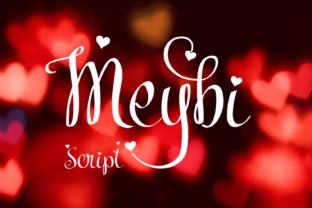
At its core, Meybi serves as a refined library of visual elements—typography systems, color palettes, layout inspirations, and compositional frameworks—that help you build cohesive brand identities faster and with greater confidence. Whether you are working on logo design, editorial layouts, or social media graphics, the platform offers a structured approach to creative exploration. Instead of starting each project from scratch, you tap into a reservoir of design inspiration that respects visual hierarchy and modern aesthetics.
The real power lies in how these assets integrate into your existing workflow. You are not simply downloading isolated files; you are adopting a system of visual coherence. This is especially critical when you consider the demands of digital marketing, where consistency across website design, UI design, and social media graphics directly impacts user engagement and brand recall.
Practical Applications Across Creative Projects
One of the strongest arguments for incorporating a resource like Meybi into your toolkit is its versatility. The same set of design elements can be adapted for vastly different contexts without losing their essential character. Consider these common use cases:
- Branding and Logo Design: Establish a visual language that feels both original and scalable. The typography and color palette options help you move from concept to polished identity in fewer iterations.
- Marketing Materials and Advertising Campaigns: From print ads to digital banners, maintaining a unified look across channels becomes straightforward when you have a consistent asset library to draw from.
- Packaging Design and Merchandise: For product labels, boxes, or branded merchandise, the ability to maintain exact color matching and typographic hierarchy ensures that physical and digital brand expressions align seamlessly.
- Website and UI/UX Design: In web design, readability and navigation are paramount. The visual systems provided help you create interfaces that are both aesthetically pleasing and functionally clear, supporting a strong user experience.
- Social Media Content and Editorial Design: Whether you are laying out a magazine spread or scheduling Instagram posts, having pre-vetted design elements speeds up production while raising the quality bar.
How to Select and Evaluate Design Elements Effectively
Knowing what to choose is just as important as having options. When you explore a collection like Meybi, focus on three criteria: consistency, readability, and scalability. A typeface that looks elegant in a headline may break down at small sizes or across different screen resolutions. Similarly, a color palette that feels trendy today must still serve your brand goals months or years down the line.
- Consistency: Does the asset align with your existing brand guidelines? If you are building a new identity, does it allow for coherent application across touchpoints?
- Readability: Especially in UX design and editorial formats, legibility is non-negotiable. Test your choices in real contexts—on a phone screen, a printed brochure, or a large-format poster.
- Scalability: Can the design element be resized, recolored, or recontextualized without losing its impact? This is vital for packaging design and advertising where formats vary widely.
Typography, Color, and Composition: The Core Contributors
The success of any visual communication rests on how typography, color, and composition work together. A resource like Meybi helps you make deliberate choices in each of these areas. Typography establishes tone and hierarchy; color sets emotional context; composition guides the viewer's eye. When these three elements are in harmony, the result is a professional presentation that feels intentional rather than accidental. For branding projects, this harmony builds trust. For digital marketing, it drives action. For creative projects, it elevates the work from competent to memorable.
Ultimately, the quality of your output depends on the quality of your inputs. By choosing carefully curated creative assets and applying them with a clear understanding of design principles, you not only improve your immediate project outcomes but also strengthen your long-term creative practice. Thoughtful design choices—backed by reliable resources—make your communication clearer, your brand stronger, and your work more rewarding. In a field where first impressions are everything, the value of that clarity cannot be overstated.